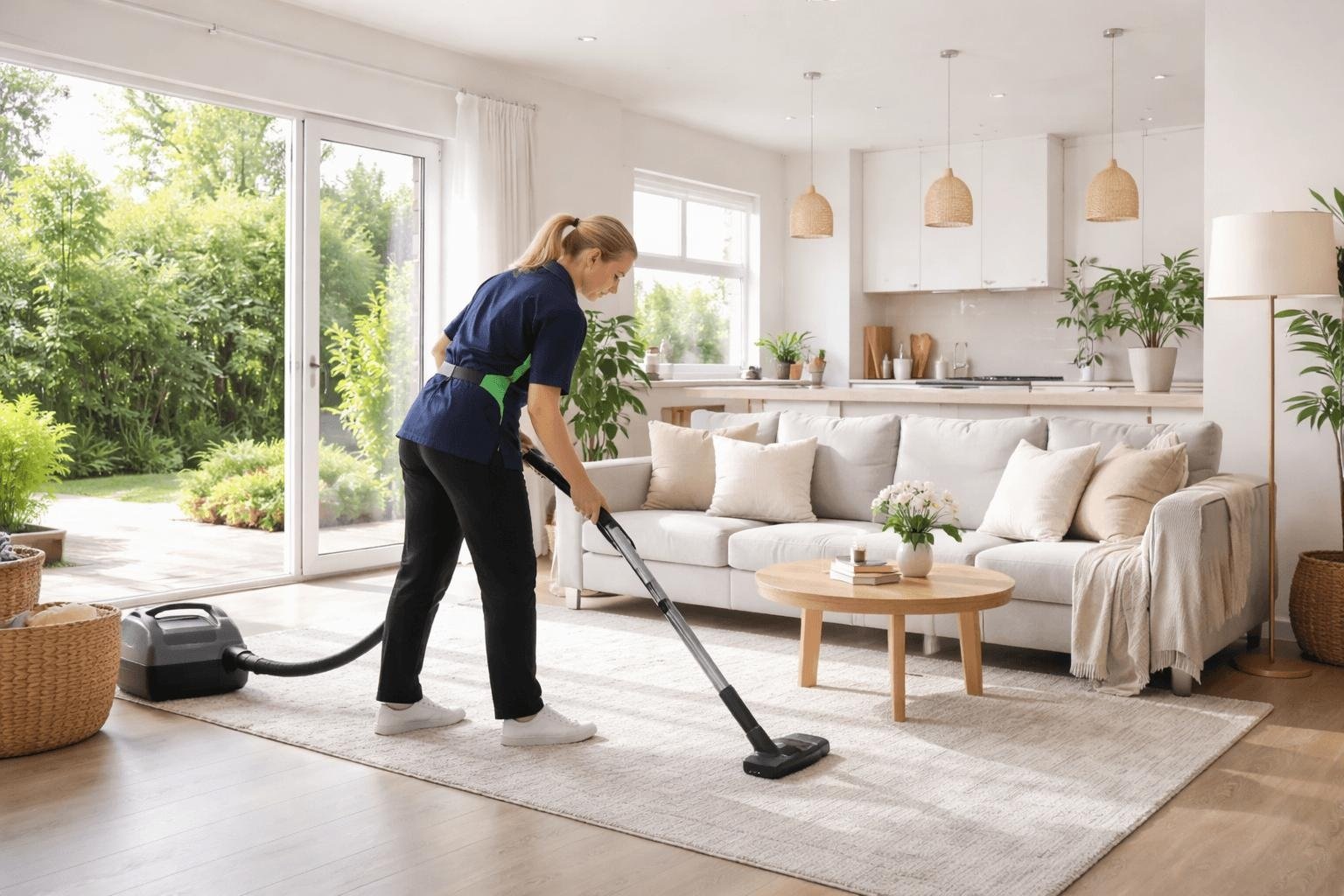
A clean home can make everyday life feel more comfortable, but keeping every room tidy is not always easy. Work, family duties, and daily responsibilities can leave little time for proper cleaning. Even when you clean regularly, dirt can collect in corners, kitchens, bathrooms, and other areas that need extra attention.
Professional home cleaning services can help homeowners manage these tasks without adding more pressure to their schedules. From regular household cleaning to deeper cleaning needs, the right cleaning routine can make home maintenance easier.
The important part is understanding which cleaning tasks need regular attention, how to prepare your home, and when professional support may be worth considering.
Why Are Home Cleaning Services Important?
Home cleaning services involve cleaning different areas of a residential property to remove everyday dirt, dust, and unwanted buildup. These services can support routine home care when homeowners have limited time or need extra assistance.
Regular house cleaning is about more than making rooms look tidy. Kitchens collect food residue, bathrooms need frequent attention, and floors can become dirty from daily foot traffic.
When these tasks are delayed, the amount of work often increases. A kitchen that needs a quick wipe today may require much more scrubbing after several days.
Professional house cleaning can help homeowners maintain a more manageable routine. It also gives families additional time for work, rest, and personal responsibilities.
Which Areas of Your Home Need Regular Cleaning?
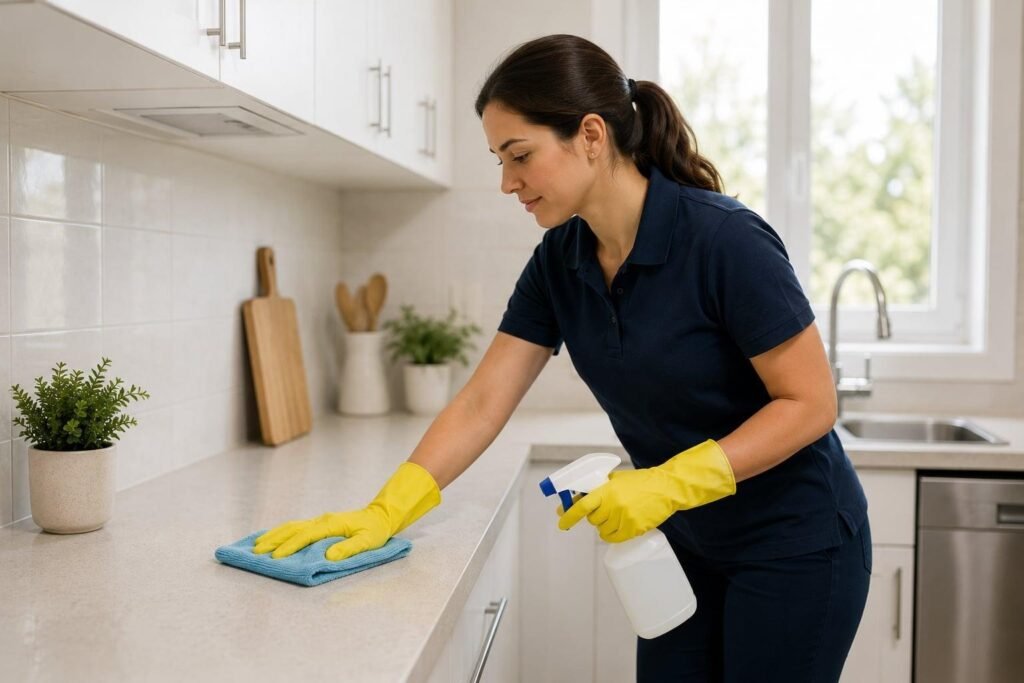
Different rooms have different cleaning needs. Understanding these differences makes it easier to plan household cleaning without spending unnecessary time on tasks that are already under control.
Kitchen Cleaning
The kitchen is used for cooking, eating, and preparing food. Countertops, sinks, cabinet surfaces, and floors can collect crumbs, grease, and stains.
Wiping surfaces after cooking and cleaning spills early can reduce buildup. Regular attention to these areas also makes deeper cleaning less demanding.
Kitchen cleaning should remain part of your regular home cleaning routine, especially in households where meals are prepared frequently.
Bathroom Cleaning
Bathrooms need consistent attention because sinks, toilets, showers, and floors are used throughout the day.
Soap residue, water marks, and dirt can collect around fixtures. Cleaning these surfaces regularly helps maintain a more pleasant bathroom environment.
A professional cleaning visit may support bathroom maintenance when regular household tasks become difficult to manage.
Bedrooms and Living Areas
Bedrooms and living rooms may appear clean while dust collects on furniture, shelves, and less visible surfaces.
Regular dusting, vacuuming, and floor cleaning can help keep these spaces comfortable. Areas under furniture and around room corners also deserve attention.
Home cleaning services can be useful for households that struggle to maintain these rooms alongside other daily responsibilities.
How Can You Plan a Home Cleaning Routine?
A cleaning routine works best when it reflects how your household actually uses each room. A busy kitchen may need daily attention, while a guest room may need less frequent cleaning.
Here is a practical process for organizing your household cleaning.
Step 1: Review the Condition of Each Room
Walk through your home and notice which spaces collect dirt most quickly.
Pay attention to kitchen surfaces, bathroom fixtures, floors, and furniture. Also check areas that may have been missed during previous cleaning sessions.
This first review helps you understand which tasks require immediate attention and which can wait until a scheduled cleaning day.
Step 2: Separate Daily and Periodic Tasks
Not every cleaning task needs to happen every day.
Wiping kitchen counters, cleaning spills, and putting items away may be part of daily care. More detailed cleaning can be scheduled according to the condition of the home.
A balanced routine prevents small tasks from turning into larger problems.
Step 3: Set Realistic Cleaning Times
A cleaning schedule should fit your household responsibilities.
If weekdays are busy, you may prefer completing smaller tasks during the week and leaving larger jobs for another day.
The goal is consistency rather than trying to clean every room perfectly in a single session.
Step 4: Review When Additional Support Is Needed
Sometimes a household routine is not enough.
You may have a demanding work schedule, family commitments, or several rooms requiring more attention than usual.
Professional house cleaning can provide additional support during these periods. The right cleaning frequency depends on your home’s condition and daily activity.
A Real Life Example of Managing Household Cleaning
Consider a family where both adults work during the week and most evenings are spent preparing meals, caring for children, and handling household responsibilities.
The kitchen receives daily use, while the living room becomes busy during weekends. Bathrooms and floors need attention, but there is limited time for detailed cleaning.
At first, the family tries completing every task on Sunday. However, spending most of the day cleaning leaves little time for rest.
A more manageable approach would involve keeping kitchen surfaces tidy each evening, handling small spills immediately, and arranging periodic support for more demanding cleaning tasks.
This example shows how home cleaning services can become part of a wider household routine rather than replacing every responsibility.
Errors That Often Make Home Cleaning More Difficult
Many cleaning problems begin with small habits. These habits may seem harmless, but they can increase the amount of work needed later.
Waiting Until Dirt Becomes Noticeable
Some homeowners wait until floors look dirty or bathroom surfaces show obvious buildup.
By that point, cleaning may require more time and effort. Regular attention to frequently used areas can prevent unnecessary work.
Trying to Clean Every Room at Once
Cleaning an entire house in 1 session can feel exhausting, especially after a busy week.
When the workload becomes too large, some tasks may be rushed or left unfinished.
Dividing cleaning responsibilities into manageable sessions can make household maintenance less stressful.
Using the Same Cleaning Method Everywhere
Different surfaces require different care.
A method suitable for a kitchen counter may not be appropriate for every floor, fixture, or furniture surface.
Always consider the material and follow the instructions for the cleaning product being used. This can reduce the risk of surface damage.
Ignoring Less Visible Areas
Dust and dirt can collect behind furniture, along baseboards, and in room corners.
These areas are easy to overlook during quick cleaning sessions. Including them in periodic cleaning helps keep the routine more complete.
Practical Tips for Better Home Cleaning Results
A few consistent habits can make a noticeable difference in how manageable your home feels.
Keep Cleaning Tasks Organized
Write down the areas that need attention and group similar tasks together.
For example, you might handle kitchen surfaces during 1 session and focus on bathroom fixtures during another.
This approach can reduce the feeling that every room needs immediate attention.
Give Busy Areas More Attention
Rooms that receive frequent use generally require more cleaning.
Kitchen floors, bathroom sinks, and living room surfaces may need attention sooner than areas used only occasionally.
Adjusting your routine based on actual use can save time while keeping important spaces maintained.
Address Spills and Marks Early
Small spills are usually easier to handle before they dry or spread.
Cleaning them promptly can reduce staining and prevent extra work during later cleaning sessions.
This habit is especially valuable in kitchens, dining areas, and frequently used rooms.
Keep Expectations Realistic
A home is meant to be lived in. Everyday activity naturally creates some dust, clutter, and mess.
Maintaining a comfortable environment is more practical than expecting every surface to remain spotless all day.
A consistent home cleaning routine can support your household without becoming another source of stress.
How Often Should You Schedule Home Cleaning Services?
The right cleaning frequency depends on household size, room usage, daily activities, and the condition of the property.
Some households may benefit from weekly cleaning support, while others may prefer less frequent visits combined with regular personal maintenance.
A home with several occupants and frequently used shared spaces may require more attention than a property with fewer residents.
There is no universal schedule that works for everyone.
For a more detailed discussion, read this guide on how often professional house cleaning should be scheduled. It provides a natural next step for homeowners deciding how to balance everyday cleaning with professional support.
When Should You Consider Professional Cleaning Support?
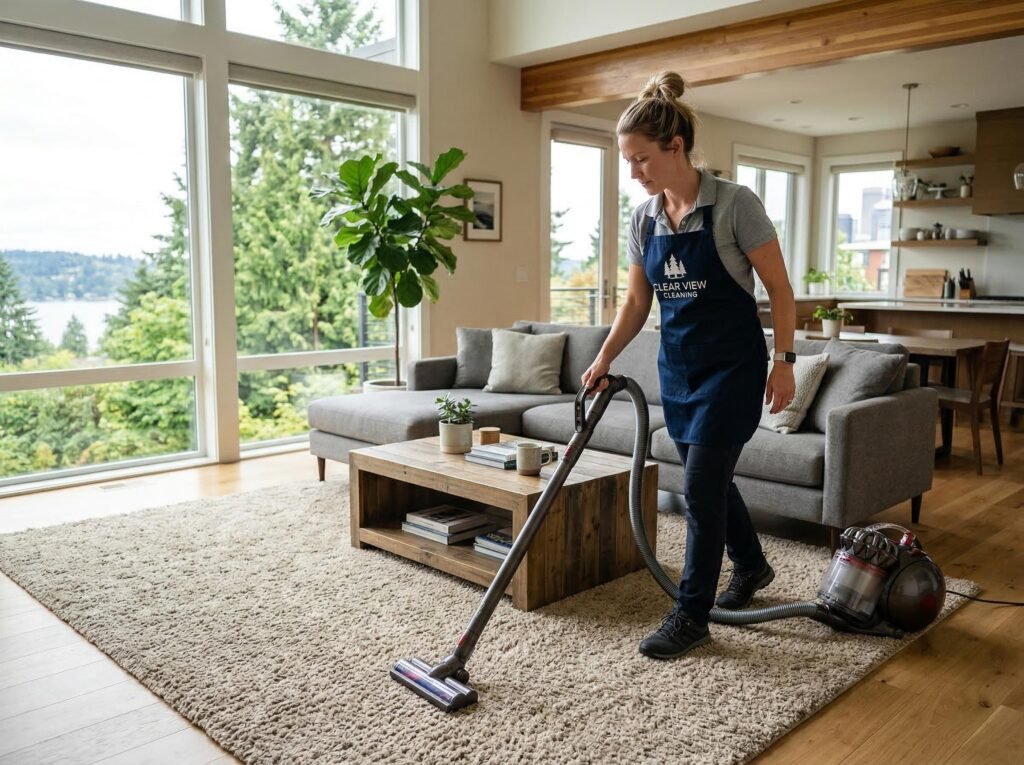
Professional cleaning support may be worth considering when household cleaning begins taking more time than you can comfortably manage.
For example, you may notice that bathrooms need repeated attention, floors remain dirty despite regular care, or weekends are increasingly occupied by household chores.
These situations do not mean you have failed to maintain your home. They simply show that your cleaning needs may have changed.
Elite Freedom Janitorial Services is a cleaning service business homeowners can consider when reviewing their household cleaning needs.
Before arranging any service, discuss the areas requiring attention, the cleaning tasks involved, and your preferred schedule. Clear expectations can help both parties understand the work.
How Do Home Cleaning Services Fit Into Long Term Home Care?
Home cleaning services work best as part of an ongoing approach to household maintenance.
Regular attention to kitchens, bathrooms, floors, and living spaces helps prevent cleaning tasks from becoming overwhelming.
Professional support can be combined with daily habits such as wiping spills, keeping frequently used areas tidy, and setting aside time for routine maintenance.
It is also useful to understand the purpose of different cleaning tools. The list of cleaning tools provides background information about equipment used for different cleaning tasks.
Over time, a consistent routine can make household responsibilities easier to organize and reduce the need for large, tiring cleaning sessions.
Frequently Asked Questions About Home Cleaning Services
1. How often should a home receive professional cleaning?
Cleaning frequency depends on household activity, property size, and personal needs. Some households prefer weekly support, while others schedule visits less frequently.
2. Are home cleaning services suitable for busy families?
Yes. Professional cleaning support can help busy households manage routine cleaning tasks when work and family responsibilities limit available time.
3. Should I clean my home before a professional visit?
You do not need to complete the cleaning work beforehand. However, putting away personal belongings may make the areas requiring attention easier to access.
4. Can regular cleaning reduce the need for deeper cleaning?
Regular cleaning can reduce everyday buildup, but some areas may still need more detailed attention from time to time.
5. Which rooms should receive the most cleaning attention?
Kitchens, bathrooms, and frequently used living areas often need regular attention. The exact priorities depend on how your household uses each space.
Conclusion
Keeping a home clean requires time, consistency, and a routine that fits everyday life.
Home cleaning services can support homeowners who need assistance with regular household maintenance or more demanding cleaning tasks. Understanding the needs of each room, addressing dirt early, and setting realistic cleaning schedules can make the process more manageable.
Start by reviewing your home’s current condition and identifying the areas that need the most attention. From there, build a routine that works for your household and consider professional support when additional assistance would make daily life easier.